Small Bathroom Ideas: Efficient, Stylish Design
Explore small bathroom ideas to maximize space with style and efficiency.
Introduction
Small bathrooms present a unique design challenge: how to maximize every square inch without sacrificing comfort, access, or style. Drawing on professional experience in bathroom renovations and a focus on durable materials, smart layouts, and quality fixtures, this guide covers practical small bathroom ideas that improve usability while elevating aesthetics. From layout and storage to lighting and finishes, the goal is to deliver actionable steps that deliver lasting results.
Smart Layout and Space Planning
Begin with a thoughtful layout that prioritizes moveability and accessibility. In most cases, consider a single-wall or corner layout to keep plumbing efficient and space open. Use a door that swings inward only if there is enough clearance; otherwise, opt for a pocket or folding door to reclaim floor area. A well-planned bathroom makes routines feel effortless and reduces clutter visually.
Plan, Measure, and Zone
Take room measurements and draw a simple plan that marks the toilet, sink, and shower. Zone the space so that the wet zone (shower and toilet) is physically separated from the dry zone (vanity and storage) where possible. This separation improves usability and reduces moisture exposure to surfaces that don’t tolerate humidity as well.
Storage Solutions that Really Work
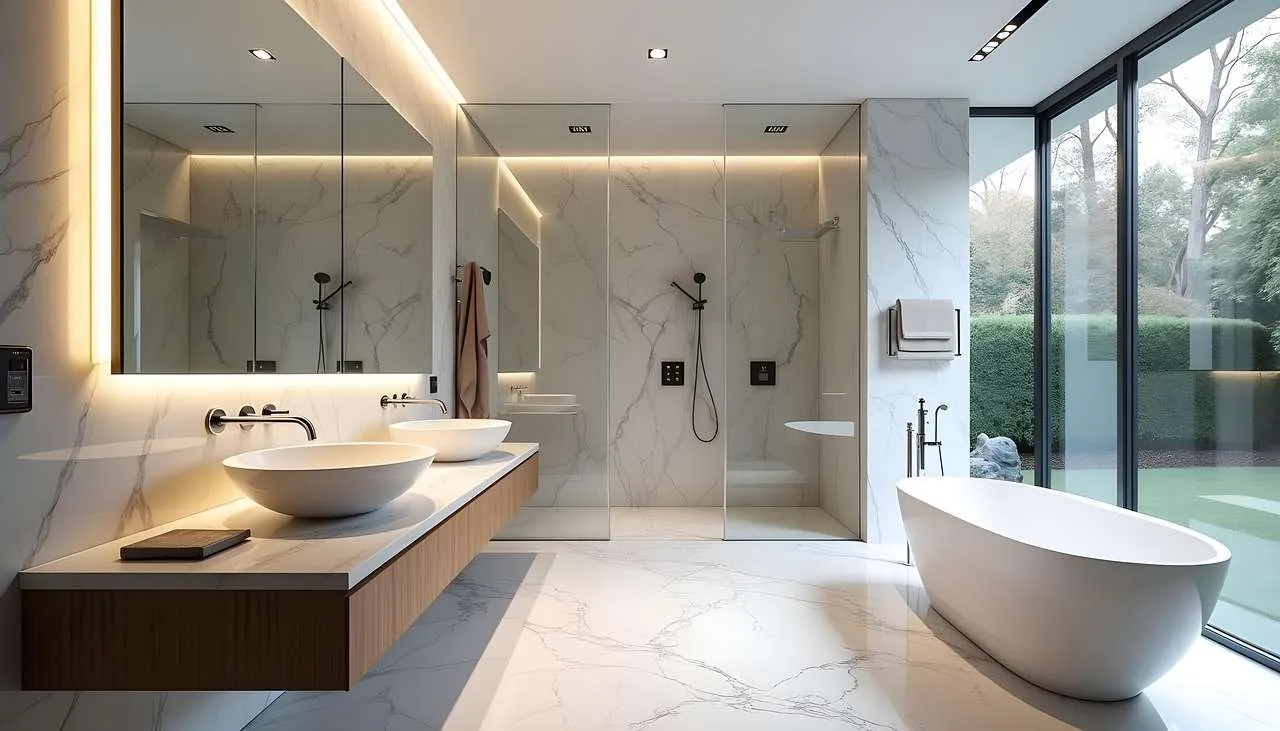
Storage is the backbone of a small bathroom. Prioritize vertical space and built-in options that minimize clutter. Floating vanities create the illusion of more floor space, while recessed niches in the shower wall provide convenient soap and shampoo storage without bulky shelving.
- Floating vanity with integrated drawers keeps essential items tucked away but accessible.
- Medicine cabinets and recessed shelving maintain a clean, uncluttered surface.
- Corner units and tall, narrow storage towers maximize vertical space without intruding on floor area.
- Clear, sealed baskets and box organizers inside drawers prevent visual chaos and make items easy to locate.
Color, Materials, and Finishes
Light colors and reflective surfaces visually expand a compact bathroom. Large-format tiles on walls and floors reduce grout lines, which makes the space look bigger and easier to clean. Neutral palettes with a few accent tones can create a calm, timeless backdrop that remains stylish for years. Durable, moisture-resistant materials such as porcelain, ceramic, and quartz are ideal for longevity in humid environments.
Lighting and Mirrors
Layered lighting is essential in small bathrooms. Combine ambient lighting with task lighting around the vanity and soft, indirect lighting for ambience. Mirrors should be large and strategically positioned to bounce light around the room and create depth. Consider a wall-to-wall mirror or a tall, slim medicine cabinet with integrated lighting to maximize both function and perception of space.
Fixtures, Fittings, and Water Efficiency
Choose compact fixtures that fit the scale of the room without sacrificing comfort. A compact, wall-hung toilet with a dual-flush option reduces water use. A glass-enclosed shower with a frameless door visually opens the space more than an opaque enclosure. Water-efficient faucets and rain showers can lower utility bills while contributing to a spa-like feel.
Ventilation, Safety, and Maintenance
Good ventilation prevents moisture buildup and mold growth. Install a quiet exhaust fan with appropriate airflow and consider an exhaust timer to ensure humidity is controlled after showers. Slip-resistant flooring and grab bars improve safety in small bathrooms, especially for families and seniors. Choose finishes that are easy to wipe down and resistant to moisture, such as glazed porcelain tiles and sealed stone-look surfaces.
Cost, Longevity, and Maintenance
Small bathroom projects can yield significant impact with careful material selection and phased upgrades. Prioritize durable, low-maintenance products, and plan for professional installation of plumbing fixtures and waterproofing where needed. A well-executed small bathroom refresh often pays off in daily comfort and resale value, with reasonable upfront costs relative to the space gained.
Comparison Table: Quick Ideas and Impact
| Idea | Pros | Cons | Ideal Space | Estimated Cost |
|---|---|---|---|---|
| Walk-in shower with frameless glass | Feels open; easy to clean; modern look | Higher upfront cost; requires precise installation | Small bathroom with shower preference | Medium |
| Floating vanity with recessed storage | Creates floor space; hides clutter | Requires plumbing work; wall support considerations | Any compact bath remodel | Low–Medium |
| Recessed niches and tall storage | Maximizes storage without bulk | More complex installation; needs careful waterproofing | Shower area and corners | Low–Medium |
| Large-format tiles and light colors | Less grout; perceived space increases | Tile choice limits pattern variety | All small baths | Low–Medium |
| Mirror with integrated lighting/medicine cabinet | Two-in-one function; brightens room | Costlier than standard mirror | Vanity area | Medium |
Putting It All Together: A Simple Plan
To implement these small bathroom ideas effectively, start with a prioritized shopping list and a phased renovation plan. Focus first on structural improvements and moisture barriers, then address storage and lighting. Always check local building codes, especially regarding ventilation and accessibility if you plan to age in place. A well-documented plan helps ensure the project stays on schedule and within budget while delivering the best possible result for a small bathroom.
Conclusion
Summary, by combining smart layout, efficient storage, light-reflective finishes, and durable fixtures, you can transform a compact bathroom into a calm, functional, and stylish space. The most successful small bathroom ideas emphasize vertical storage, minimalistic surfaces, and layered lighting, all aimed at enhancing usability and comfort while maintaining a timeless look.